


When you think about personal training, what comes to mind? Lifting weights? Losing weight? Someone standing over you telling you to do five more reps?
I think that's how a lot of people picture it, and I can understand why. The fitness industry has spent years convincing us that a good workout is measured by how much we sweat, how sore we are afterward, how many calories we've burned, or even how our bodies look.
But I've never really agreed with that approach.
Don't get me wrong, there's absolutely a time and place for challenging workouts and intense training routines. I love seeing someone accomplish something they didn't think they were capable of. But I also think we've gotten so caught up in doing the exercise that we've forgotten to ask ourselves why we're doing it in the first place.
That's where Training With Intention comes in.
There's a Reason We're Doing This
One of the things I talk about frequently with my clients is the purpose behind their movements. I'm not choosing exercises just to fill an hour or make sure they're tired by the end of our session. There's a reason we're doing what we're doing, even when that reason isn't immediately obvious.
For example, we might spend time strengthening someone's glutes because they're struggling to use them effectively during everyday movements. We might work on ankle mobility because limited range of motion is affecting their balance or squat mechanics. Or we might practice getting up and down from a chair because that particular client wants to maintain their independence as they get older.
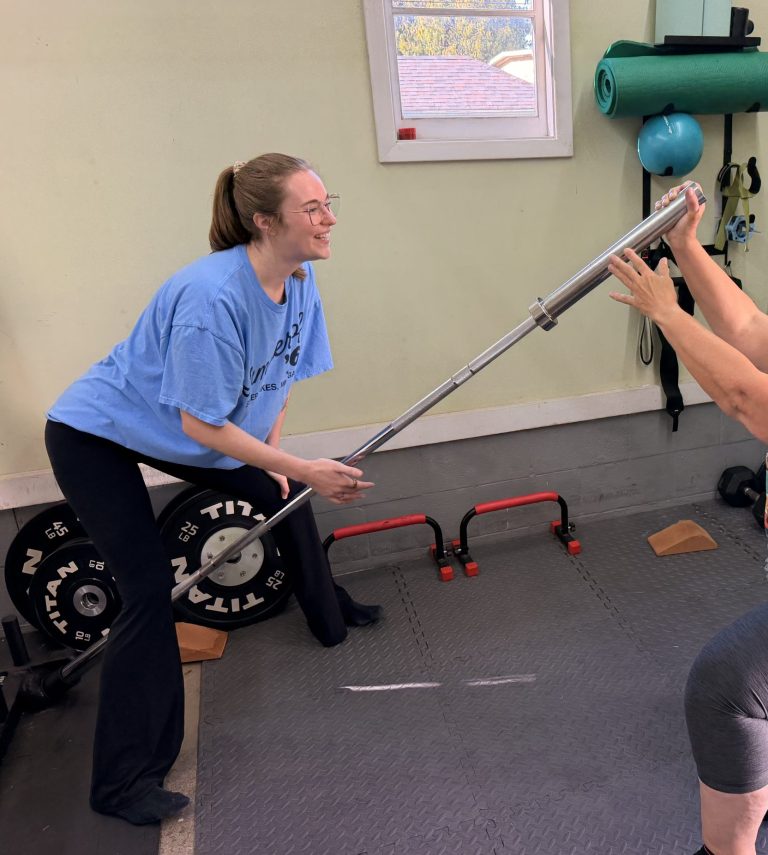
To someone watching, these might seem like completely unrelated exercises. But each one has a specific purpose for the person performing it.
And that's really the whole point.
I don't believe there's one perfect workout, one perfect diet, or one approach to wellness that works for everyone. We're all working with different bodies, different lifestyles, different limitations, and different priorities. Why would we expect the same approach to work for all of us?
Finding Your Why
Something else I find interesting is how much our reasoning behind exercise can affect whether we actually stick with it.
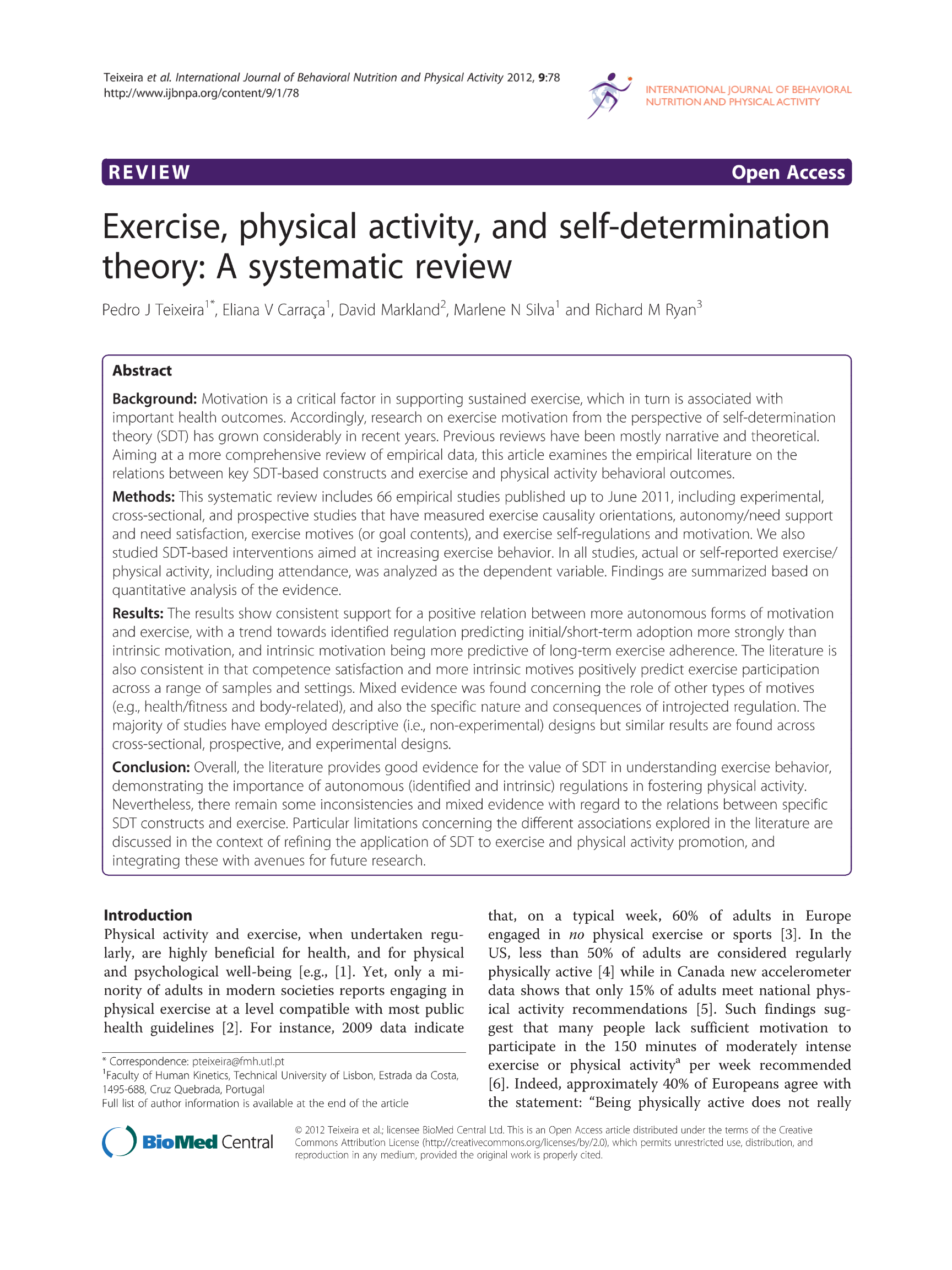
A 2012 systematic review published in the International Journal of Behavioral Nutrition and Physical Activity1 looked at 66 studies examining motivation and physical activity. Researchers found that people who had personally meaningful reasons for exercising tended to participate more consistently. They also found that enjoyment was particularly important for maintaining exercise over time.
That makes total sense to me.
Think about the difference between someone exercising because they feel guilty about what they ate yesterday and someone exercising because they want to be able to keep up with their grandchildren.
They're both exercising, but they're approaching it from two very different places.
And while having a meaningful reason doesn't automatically make exercise easy or guarantee consistency, I think it gives us something much more useful to work toward than simply checking another workout off our list.
Intention Doesn't Mean Perfection
I also think it's important to recognize that being intentional doesn't mean being perfect.
This is something I find myself reminding clients of all the time. Life happens. Schedules change, energy levels fluctuate, and sometimes the plan we made on Monday doesn't make sense by Thursday.

That doesn't mean we've failed or need to start over.
Maybe you planned on doing a 45-minute workout, but only have 15 minutes available. Maybe your body is feeling particularly stiff, and spending some time on mobility would be more beneficial than pushing through another strength session. Or maybe you've been running yourself ragged all week and could genuinely benefit from some rest.
Rather than trying to push yourself to do more. The intention is to understand what you're doing and make decisions that support your goals along the way.
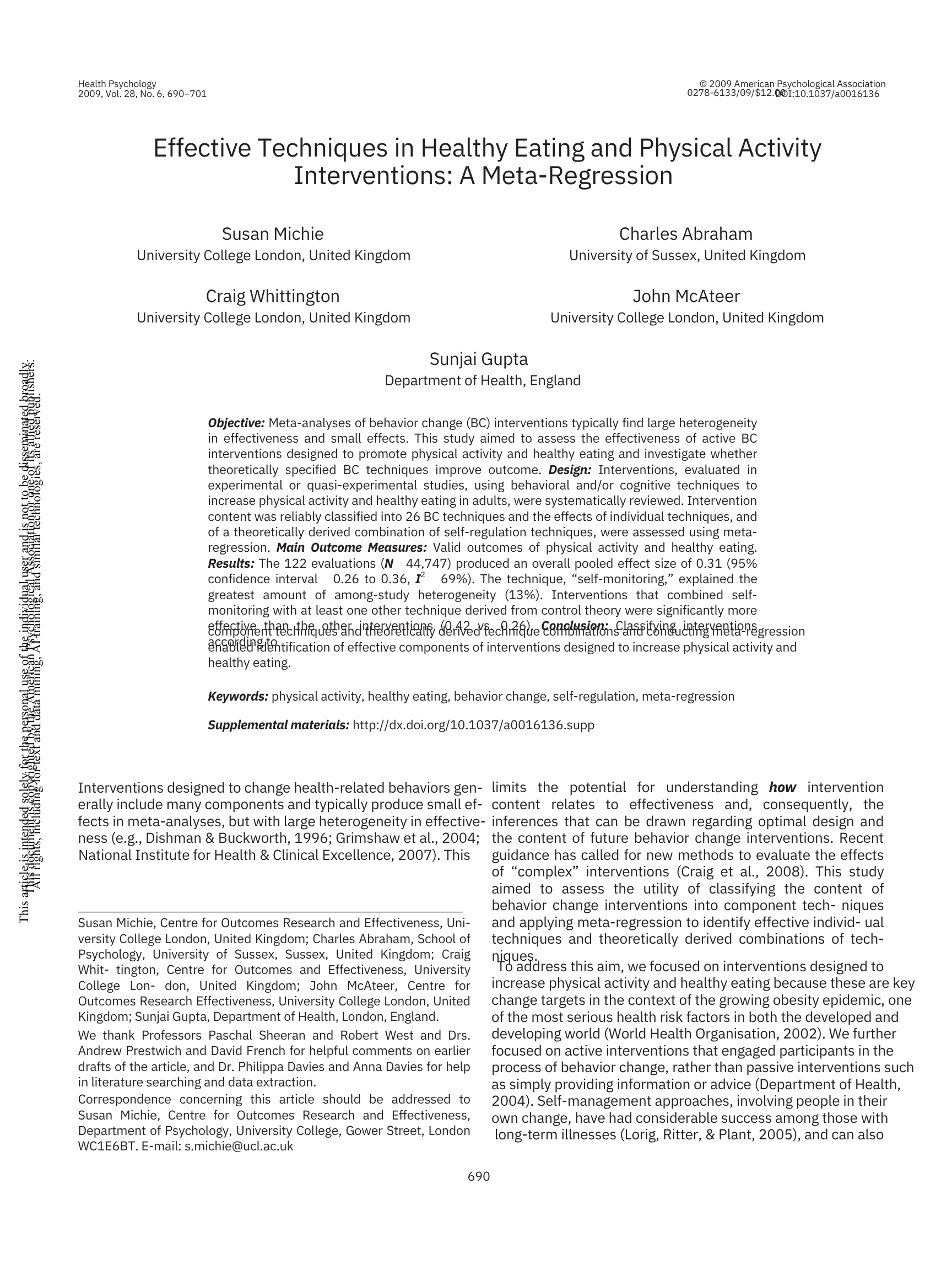
There's actually research supporting the importance of this kind of awareness, too. A 2009 meta-regression published in Health Psychology2 examined 122 evaluations of interventions focused on physical activity and healthy eating. The researchers found that combining self-monitoring with other behavior-change strategies was associated with better outcomes.
Now, I'm not suggesting everyone needs to start tracking every little thing they do. Quite the opposite, actually. But I do think there's value in paying attention to our habits, noticing what's working, and being willing to make adjustments.
Sometimes that means changing an exercise or changing a routine. And sometimes it means realizing that the goal we've been chasing isn't really all that important to us anymore. That's okay, too.
I think one of the most rewarding parts of coaching is watching someone begin to understand their own body. When a client starts recognizing why we're working on a particular movement, notices their posture without being reminded, or realizes that something they've been practicing is making everyday life a little easier, that's a win in my book.
Of course, I love seeing improvements in strength, endurance, and mobility. Those things matter. But what really excites me is seeing those improvements carry over into someone's life outside of our sessions. Because at the end of the day, I don't want someone to only be good at the exercises I give them. I want them to feel capable and confident doing the things that matter to them.
That's what Training With Intention means to me. It's not about making every decision perfectly or turning wellness into another thing on our never-ending to-do lists. It's about being a little more thoughtful about how we move, how we care for ourselves, and what we're actually working toward.
And hopefully, along the way, learning a little more about ourselves, too.
Train With Intention Takeaway
The next time you exercise, stretch, or make a decision about your health, ask yourself: What's the intention?
You don't need some profound answer. Just take a moment to think about what you're hoping to accomplish and whether what you're doing is helping you get there.
Sometimes a little awareness is a pretty good place to start.
Interested in taking a more intentional approach to your own health and wellness? I'd love to hear what you're working toward.
References
Teixeira, P. J., et al. (2012). Exercise, physical activity, and self-determination theory: A systematic review. International Journal of Behavioral Nutrition and Physical Activity, 9, 78. https://doi.org/10.1186/1479-5868-9-78
Michie, S., et al. (2009). Effective techniques in healthy eating and physical activity interventions: A meta-regression. Health Psychology, 28(6), 690–701. https://doi.org/10.1037/a0016136